Scratch Game Developer
19th-20th June, 2026
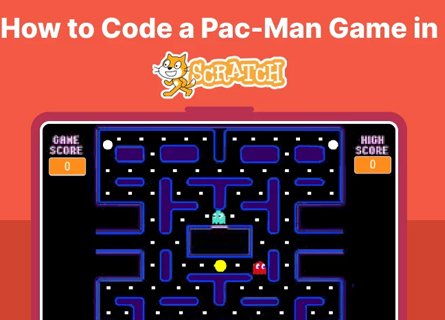
The Scratch Game Developer Challenge is more than just a competition—it’s an exciting journey into the world of game creation, storytelling, and interactive design. Designed especially for young innovators, this challenge encourages participants to transform their ideas into fun, playable games using Scratch 3, one of the world’s most beginner-friendly programming platforms.
Whether participants are taking their very first steps into coding or already love creating animations and games on Scratch, this competition offers the perfect stage to explore creativity, logic, and problem-solving. Through hands-on challenges, students will learn how games work—from characters and movement to sound effects and player interaction.
This challenge celebrates:
🎮 Creativity in game design
🧠 Logical and computational thinking
🎨 Storytelling and visual expression
🤝 Teamwork and communication
Get ready to code, animate, and play—because learning has never been this fun!
Eligibility Criteria
- Junior Category: Age Group: 7–10 years (as of competition date). Participants may be nominated by RoboClubs, Schools, or Individual registrations.
- Senior Category: Age Group: 10–12 years (as of competition date). Participants may be nominated by RoboClubs, Schools, or Individual registrations.
Team Structure
- Each team may have a maximum of 3 participants
- Each team must be guided by one Coach
- A participant may be part of only one team
- Teams are not allowed to share members
- The competition consists of three rounds, each becoming progressively more challenging.
- Duration: 1 hour per round. Teams must submit their Scratch project within the allocated time.
- Before Each Round: A 15‑minute briefing session will be held to explain the challenge, answer participant questions, and clarify rules.
- Technical Rules: ✅ The only permitted software is Scratch 3. ❌ Internet access is not allowed during competition rounds. ❌ Use of pre‑made online assets or external code is prohibited.
- 🚫 Unauthorized collaboration with anyone outside the team is strictly forbidden and may result in disqualification.
- Judges will manually review the Scratch projects after each round.
- Teams must explain their game idea, logic, and features to the judges.
- Evaluation will be based on creativity, functionality, and understanding—not just complexity.
- Judging Focus Areas:
– Creativity and originality of the game concept
– Game functionality and playability
– Correct use of Scratch blocks and logic
– Visual appeal and sound integration
– Team’s understanding and explanation of their project
- Core Scratch Elements: Sprites and Backdrops, Motion blocks, Looks and Sounds blocks
- Programming Logic: Events blocks (start, interactions, triggers), Control blocks (loops, conditions), Variables (scoring, lives, timers)
- Extensions: Text‑to‑Speech Extension (voice interaction and feedback)
Learning Outcomes
- Learn the basics of game development and animation
- Develop logical thinking and problem-solving skills
- Enhance creativity and storytelling abilities
- Gain confidence in presenting their ideas
- Experience teamwork in a fun, supportive environment